What you'll get
High-Risk Merchant Accounts for Global Digital Sellers
A high risk merchant processing account depends on your offer, owner location, and payout route. Compare provider fit before scaling.

Founder & Editor
A US LLC does not automatically make its owner eligible for every US merchant account. If you live abroad and sell courses, coaching, memberships, or other digital products worldwide, you need to verify the provider’s rules for both your business and you as its owner. Strong fraud prevention tools for high-risk merchants matter, but they cannot fix an account application that fails the provider’s location or business-model requirements.
Your customer countries, product claims, recurring billing, and payout destination can all affect the review. Make the checkout’s pricing, renewal, cancellation, and refund terms clear before accepting payments. The FTC’s online disclosure guidance explains why important conditions in digital advertising need to be clear and conspicuous. For a seller living abroad, that clarity supports customer understanding as well as a more complete application.
- A US LLC’s formation does not establish that its owner, business activity, or payout bank meets a provider’s underwriting rules.
- CCBill describes payment services for high-risk online businesses and international transactions, but that does not by itself confirm eligibility for an owner living abroad.
- SoarPay lists coaching, memberships, SaaS, subscriptions, and digital streaming among the business categories it serves.
- SoarPay’s eligibility FAQ requires a valid US Social Security number and US-issued photo ID for the owner, and excludes businesses headquartered or primarily operating outside the US.
- Provider fees, reserve terms, payout arrangements, and approval conditions need to be confirmed for the individual application.
Which providers should a cross-border digital seller investigate?
- Short answer: Start with CCBill if your product is within its supported business models, then compare AllayPay and SoarPay against your specific owner-residence and payout needs.
- None of the available public information establishes that every provider here accepts every US LLC owned by someone living abroad.
- Use the comparison as a screening shortlist, not as a promise of approval or a substitute for a written offer.
| Rank | Provider | Documented fit | Key eligibility question | Fees |
|---|---|---|---|---|
| 1 | CCBill | Online payment processing for high-risk business models, with international customer payments. | Does it accept your exact digital offer and an owner residing abroad? | Non defini pour le moment. |
| 2 | AllayPay | High-risk merchant account services, with published discussion of risk and pricing factors. | Does it accept your product, overseas owner, and chosen payout destination? | Non defini pour le moment. |
| 3 | SoarPay | Lists coaching, memberships, SaaS, subscriptions, and digital streaming among supported categories. | Does the owner have the required US credentials, and is the business operated from within the US? | Non defini pour le moment. |
The ordering reflects how clearly the available provider information relates to international online sales and the audience’s eligibility questions. It does not establish that one provider has better approval odds, lower costs, or more reliable payouts for your specific business. Ask each provider to assess your actual products, billing model, owner’s residence, customer locations, and bank account before you treat it as an option.
1. CCBill
- Best for: Online digital businesses whose precise business model appears on CCBill’s supported list and that need to evaluate international customer payments.
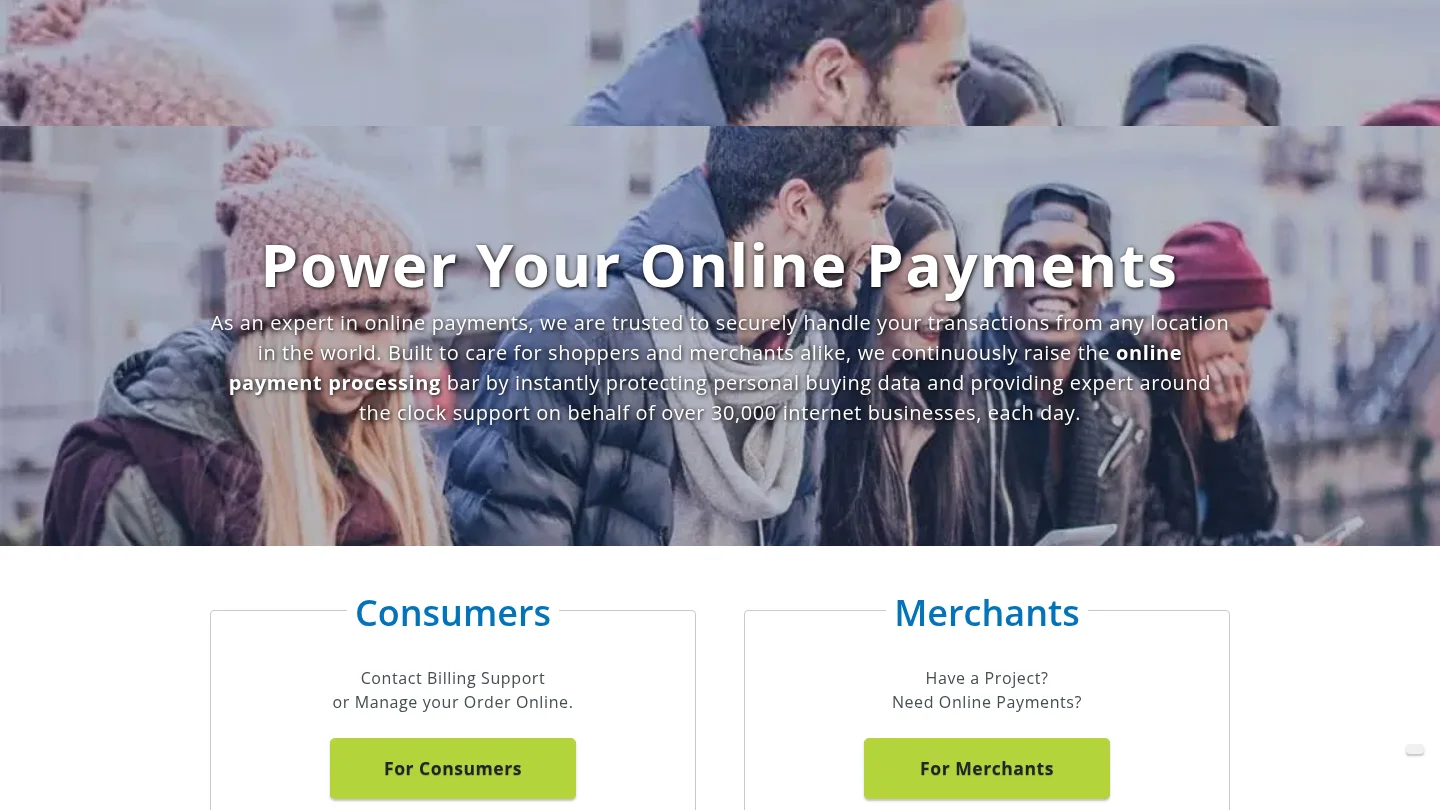
CCBill describes a high-risk processing service for online businesses and says it supports more than 90 high-risk business models. Its materials discuss merchant accounts, international card acceptance, fraud controls, subscription billing, and multiple payment channels. That makes it a relevant account to investigate for an online creator, but a broad claim about international transactions does not answer whether the provider accepts the owner’s country of residence or the business’s exact digital product.
Pros
- Its published materials focus on online processing and high-risk business models, rather than treating every seller as a standard-risk account.
- International payment support makes it relevant when buyers are spread across countries.
- Its onboarding materials emphasize reviewing the business model and Merchant Category Code, which helps a seller ask for a decision tied to the actual offer.
Cons
- A supported business category does not confirm that your precise product, owner residence, or payout bank will be accepted. Get these points confirmed during underwriting.
2. AllayPay
- Best for: A high-risk online seller who wants to request a tailored account proposal and compare its written risk terms.
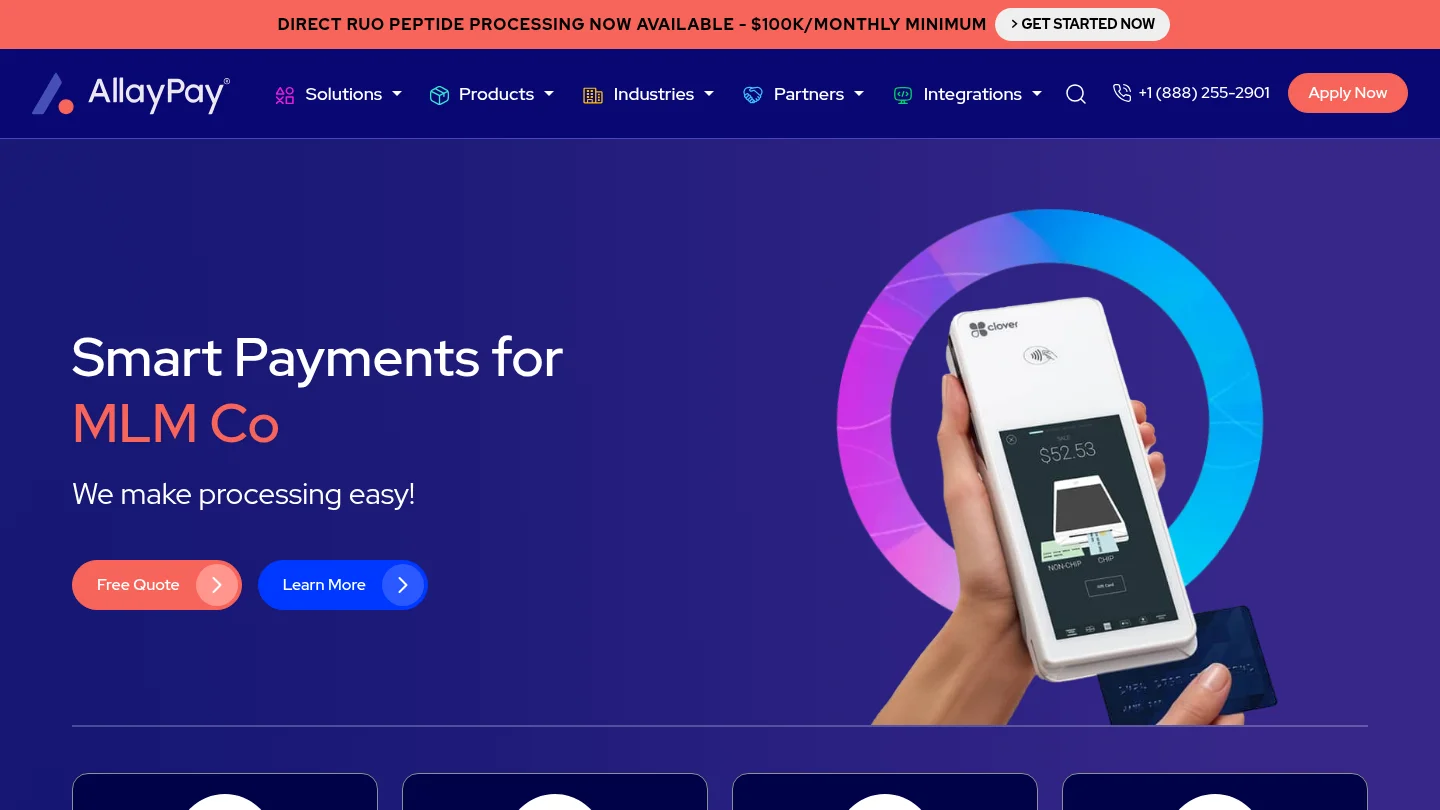
AllayPay describes merchant accounts for high-risk businesses. Its published FAQ identifies industry, international sales, subscription billing, and transaction size as factors that can affect costs. It also discusses how chargebacks relate to pricing and reserve requirements. This provides useful questions for a first conversation, but the available information does not establish acceptance of a specific digital-product business or an owner living abroad.
Pros
- Its public high-risk material addresses the cost and account conditions that matter when comparing written proposals.
- Its FAQ gives a seller a starting point for discussing chargebacks, risk monitoring, and account terms.
Cons
- Before treating it as a fit, ask for a direct decision on your digital product, recurring-payment setup, owner’s residence, customer markets, and settlement bank.
3. SoarPay
- Best for: A US-based operation in a listed digital category, where the owner meets SoarPay’s identification requirements.
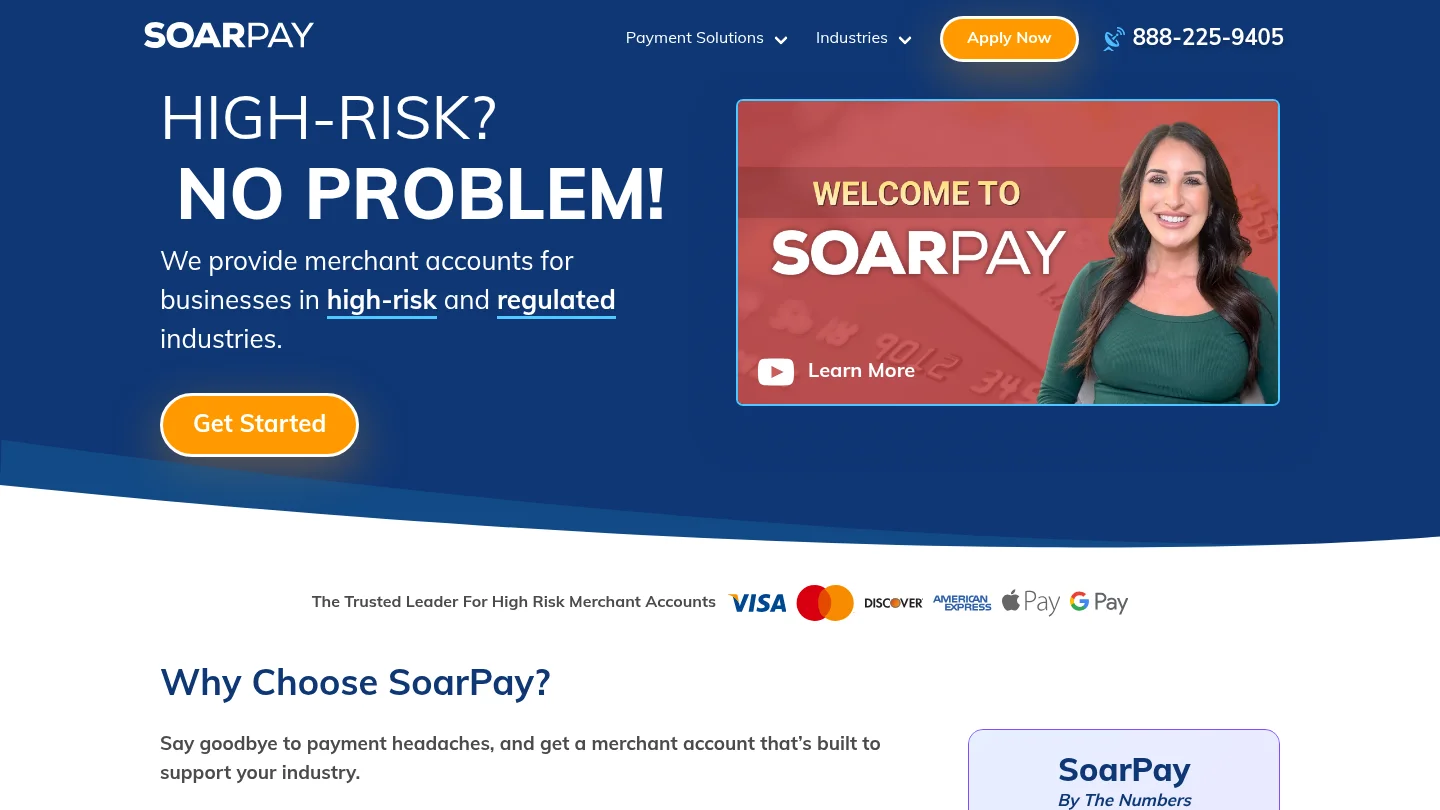
SoarPay’s industry list includes seminars and coaching, membership and recurring billing, SaaS, and digital streaming. Its FAQ says it uses customized interchange-plus pricing and provides a written proposal before signing. It also describes application documents, business-bank-account requirements, and how it handles reserves. These details make it easier to prepare for underwriting, but its owner and operating-location rules are especially important for a creator living abroad.
Pros
- Its stated industry list includes several digital-business models relevant to creators and online educators.
- Its FAQ explains that pricing is customized and says an applicant receives a written proposal before signing.
- Its application guidance identifies documents such as identification, business formation records, bank statements, and processing statements where applicable.
Cons
- SoarPay says the owner must have a valid US Social Security number and US-issued government photo ID. It also excludes businesses headquartered or primarily operating outside the United States, so an owner living abroad should confirm eligibility before preparing an application.
Does a merchant account or a Merchant of Record fit better?
- A merchant account is appropriate when you remain the seller and want a provider to process payments under an account approved for your business.
- A Merchant of Record takes the legal seller role under its service model and handles the tax responsibilities specified in its terms.
- Compare the legal and operational responsibilities, not just the checkout fees.
For a US LLC owner living abroad, this distinction affects who appears as the seller, who handles applicable indirect taxes, and who is responsible for customer-facing policies. A payment processor does not become a Merchant of Record simply because it processes the transaction. If you remain the seller, confirm how the contract allocates tax, refunds, disputes, customer support, and reporting responsibilities.
Also distinguish a merchant account from a payment gateway. A gateway transmits transaction details, while underwriting and settlement depend on the acquiring and processing arrangement behind it. Ask which entity underwrites your business, which entity holds the reserve, which account receives settlement, and whether a gateway is included or separately contracted.
Our payment processors comparisons help readers weigh all-in costs, payout behavior, account reviews, and Merchant of Record responsibilities across different business models. Use that framework to decide whether you need direct processing under your own company or a platform that assumes the seller role under its contract.
How should you compare fees, reserves, and payouts?
- Request a complete written schedule for every percentage, per-transaction, monthly, setup, gateway, chargeback, and currency-conversion charge that could apply.
- Ask whether the proposal includes a reserve and identify its percentage, duration, release schedule, and review process.
- Confirm supported settlement currencies, payout destinations, transfer timing, and any conversion charges for your actual bank account.
Do not compare providers using a headline percentage alone. Calculate expected costs using your average sale, monthly sales, transaction count, subscription share, currencies, and likely refunds. An apparently low percentage can still produce a high effective cost when per-transaction charges, monthly fees, FX conversion, or delayed access to funds are included. If a value is not in the proposal, record it as unknown, not as zero.
A rolling reserve is money withheld from processing proceeds under the account terms, rather than an ordinary processing fee. Ask what portion is withheld, how long each amount remains unavailable, whether funds are released on a schedule, and what happens to the balance if the account closes. Our guide to Stripe rolling reserves explains the cash-flow questions to apply when reviewing reserve terms from any provider.
For an owner abroad, also verify that the provider can pay the legal entity’s actual bank account. Do not assume that support for customers in multiple countries also means support for an overseas owner, foreign payout bank, or a specific settlement currency. Ask for the payout route and conversion treatment in writing.
What reduces disputes and protects account continuity?
- Make the product description, billing frequency, total price, cancellation steps, and refund policy clear before checkout.
- Keep records that connect each payment to the product purchased, the customer’s access, and any support or refund request.
- Ask which fraud screening, authentication, alert, and dispute-response tools are included, and which have separate costs.
For a course or membership, keep a reliable record of enrollment, access changes, cancellation requests, and customer communications. Use a recognizable billing descriptor and make it easy for customers to contact you before they ask their bank to investigate a charge. The FTC’s digital disclosure guidance is useful when reviewing how key conditions appear on a sales page and checkout.
Payment security is another separate review. Confirm what security responsibilities stay with your business when you use a processor or hosted checkout, and follow the applicable PCI DSS requirements. The PCI Security Standards Council describes PCI DSS as a standard for protecting payment account data. For disputes, review how evidence is collected, submitted, and tracked; Visa’s merchant resources cover dispute submissions and transaction-matching considerations.
These controls are not a promise that an account will never be reviewed or placed on hold. They do give you a clearer operational record and a more useful basis for discussing risk controls with the underwriter. Treat chargeback controls as part of day-to-day customer service, not just a feature on a provider’s comparison page.
Where do ad-intelligence tools fit?
- Use ad-intelligence research to test whether an infoproduct offer merits deeper validation before investing in a launch.
- Do not treat ad activity as proof of sales volume, payment eligibility, or low chargeback risk.
- Choose tools by the advertising channels and countries you need to research, then verify current coverage and pricing before subscribing.
Tools for ad research and offer validation, such as Minea or Pipiads, serve a different purpose from payment processing. They may inform which offer or audience to investigate, but they do not assess your LLC, product claims, fulfillment method, owner residence, or payout destination for an acquiring bank. Before launch, turn the offer research into a clear product page, accurate pricing, refund terms, and a realistic forecast that you can explain during underwriting.
What should you prepare before applying?
- Prepare your LLC formation and tax details, owner identification, business-bank information, and processing history if available.
- Share your real products, sales pages, prices, billing frequency, refund terms, customer countries, and maximum expected sale.
- Ask for a written decision on the owner’s residence, business operating location, payout account, reserves, and all fees before signing.
Do not hide that you live abroad or describe a digital subscription as a one-time course sale. A mismatch between the application and the actual checkout can create problems after approval. If you already process payments, provide statements and explain unusual sales spikes, refunds, or disputes with context. If you are new, ask what financial or business records the provider will accept in place of processing history.
Keep the final proposal and account agreement together with the underwriting answers. Check that they identify your product category, permitted customer markets, approved volume expectations, reserve conditions, and payout details. If a provider offers a verbal assurance, ask for the relevant approval or term in writing before you route sales through the account.
Verdict
The first decision is eligibility, not the advertised rate. CCBill is worth investigating for a supported digital business with international customers, AllayPay is a candidate for a written high-risk proposal, and SoarPay lists relevant digital categories but has explicit US owner identification and operating-location requirements. For a high-risk merchant account for global digital sales, verify the actual owner, offer, payout route, reserve, and contract terms before migrating traffic or launching at scale.
Compare account terms before you apply
A processor’s headline rate says little about whether it accepts your precise offer, owner residence, or settlement bank. Compare the contract, reserve, payout route, and dispute responsibilities alongside the business model, particularly when your US LLC is managed from abroad.

Our editorial research compares payment platforms through hands-on evaluation, test accounts, official documentation, fee calculations, and use-case criteria. We disclose affiliate relationships, vendors do not pay for placement or review articles before publication, and we revisit articles quarterly to correct stale information. Use our high-risk payment processors guide as a starting point, then confirm current eligibility and terms directly with the provider. WhatPayment is an editorial publication, not a processor, underwriting service, or merchant account provider.
Frequently Asked Questions
Does a US LLC guarantee approval for a high-risk merchant account?
No. Providers can assess the product, business model, owner, operating location, processing history, customer markets, and payout account. Ask for a decision based on the full business profile.
Can I apply if I live outside the United States?
Possibly, but the answer depends on the provider’s owner and business-location rules. Disclose your residence and ask whether your US LLC, identification, and settlement bank meet its requirements.
Is a payment gateway the same as a merchant account?
No. A gateway transmits payment information, while the merchant account and acquiring arrangement determine how the business is underwritten and settled. Confirm which provider is responsible for each part of your setup.
What should I ask about a reserve?
Ask what percentage is withheld, how long funds are held, when releases occur, how often the reserve is reviewed, and what happens to withheld funds if the account ends. Include the answers in your cash-flow forecast and written agreement.
Do ad-spy tools improve payment approval odds?
No. Ad-intelligence research can inform offer validation, but it does not replace underwriting or establish that an offer complies with a provider’s rules. Present the actual product, claims, checkout, customer markets, and billing terms in your application.
Keep reading
Browse all guidesBlog
Best Payment Gateways for Notion Templates, Digital Assets
Blog
Best ecommerce payment processors for digital creators abroad
Comparison
Minea vs Pipiads for Infopreneurs: Honest Verdict
Comparison
Whop vs Gumroad (2026): Which Costs Less for Creators?
Comparison
Whop vs Teachable (2026): Honest Cost Breakdown and Verdict
Comparison